
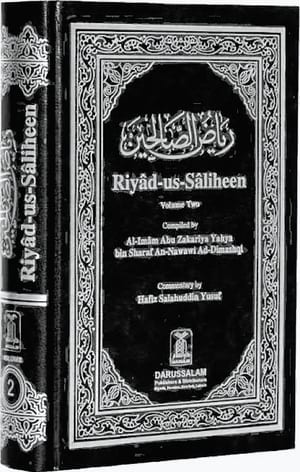
Mlango wa 1377: Kitabu cha Misingi (Nia, Toba, Subira na Kumcha Allah)
الخامس: عن أبي عبد الله النعمان بن بشير رضي الله عنهما، قال: سمعت رسول الله صلى الله عليه وسلم يقول: "لتسون صفوفكم أو ليخالفن الله بين وجوهكم " ((متفق عليه)) . وفي رواية لمسلم: كان رسول الله صلى الله عليه وسلم يسوي صفوفنا حتى كأنما يسوي بها القداح ،حتى إذا رأى أنا قد عقلنا عنه ثم خرج يوما، فقام حتى كاد أن يكبر، فرأى رجلاً بادياً صدره فقال: " عباد الله لتسون صفوفكم أو ليخالفن الله بين وجوهكم".
Kutoka kwa Nu'man bin Bashir (Radhi za Allah ziwe juu yao) reported: "Mjumbe wa Allah (Rehema na amani za Allah ziwe juu yake) said, "Straighten your rows (during Salat) or Allah would create dissension amongst you"..In another narration reported by Muislamu, Nu'man bin Bashir (May Allah be pleased with them) narrated: Mjumbe wa Allah (Rehema na amani za Allah ziwe juu yake) used to straighten our rows (in Salat), as if he was straightening an arrow with their help until he saw that we had learnt it from him. One day he came out, stood up (for Salat) and was about to say: Allahu Akbar (Allah is the Greatest), (marking the beginning of the swala) when he saw a man, whose chest was bulging out from the row. He said, "Slaves of Allah, you must straighten your rows or Allah would create dissension amongst you.""
Nu'man bin Bashir (May Allah be pleased with them) reported: Messenger of Allah (ﷺ) said, "Straighten your rows (during Salat) or Allah would create dissension amongst you"..In another narration reported by Muslim, Nu'man bin Bashir (May Allah be pleased with them) narrated: Messenger of Allah (ﷺ) used to straighten our rows (in Salat), as if he was straightening an arrow with their help until he saw that we had learnt it from him. One day he came out, stood up (for Salat) and was about to say: Allahu Akbar (Allah is the Greatest), (marking the beginning of the prayer) when he saw a man, whose chest was bulging out from the row. He said, "Slaves of Allah, you must straighten your rows or Allah would create dissension amongst you."
Chanzo: Riyadh as-Salihin (رياض الصالحين)