
Mlango wa 739: Kitabu cha Dhikr na Kumtaja Mwenyezi Mungu
وعن أبي هريرة رضي الله عنه أن فقراء المهاجرين أتوا رسول الله صلى الله عليه وسلم فقالوا: "ذهب أهل الدثور بالدرجات العلى، والنعيم المقيم: يصلون كما نصلي، ويصومون كما نصوم، ولهم فضل من أموال: يحجون، ويعتمرون، ويجاهدون، ويتصدقون. فقال: "ألا أعلمكم شيئًا تدركون به من سبقكم، وتسبقون به من بعدكم، ولا يكون أحد أفضل منكم إلا من صنع مثل ما صنعتم؟ قالوا: بلى يا رسول الله، قال: "تسبحون، وتحمدون، وتكبرون، خلف كل صلاة ثلاثًا وثلاثين قال أبو صالح الراوي عن أبي هريرة، لما سئل عن كيفية ذكرهن، قال: يقول: سبحان الله، والحمد لله، والله أكبر، حتى يكون منهن كلهن ثلاثًا وثلاثين. ((متفق عليه)). وزاد مسلم في روايته: فرجع فقراء المهاجرين إلى رسول الله صلى الله عليه وسلم، فقالوا: سمع إخواننا أهل الأموال بما فعلنا، وفعلوا مثله؟ فقال رسول الله: "ذلك فضل الله يؤتيه من يشاء". ((الدثور))جمع دثر- بفتح الدال و اسكان الثاء المثلثة- و هو: المال الكثير.
Kutoka kwa Abu Hurairah (Radhi za Allah ziwe juu yake) reported: "The poor Emigrants came to the Mjumbe wa Allah (Rehema na amani za Allah ziwe juu yake) and said: "The wealthy have gone with the highest ranks and lasting bliss." He asked: "How is that?" They replied: "They offer Salat (swala) as we offer it; they observe fast as we do; (and as they are wealthy) they perform Hajj and 'Umrah, and go for Jihad, and they spend in sadaka but we cannot, and they free the slaves but we are unable to do so." The Mjumbe wa Allah (Rehema na amani za Allah ziwe juu yake) said, "Shall I not teach you something with which you may overtake those who surpassed you and with which you will surpass those who will come after you? None will excel you unless he who does which you do." They said: "Yes, please do, Ewe Mjumbe wa Allah" He (ﷺ) said, "You should recite: Tasbih (Allah is free from imperfection), Takbir (Allah is Greatest), Tahmid (Praise be to Allah) thirty-three times after each Salat.".Abu Salih, the subnarrator of the Hadith said, when Abu Hurairah (May Allah be pleased with him) was asked about the manner of reciting Tasbih, Tahmid and Takbir, he said, "Recite: "Subhan-Allah, wal-hamdulillah, wallahu Akbar', till all are recited thirty-three times."
Abu Hurairah (May Allah be pleased with him) reported: The poor Emigrants came to the Messenger of Allah (ﷺ) and said: "The wealthy have gone with the highest ranks and lasting bliss." He asked: "How is that?" They replied: "They offer Salat (prayer) as we offer it; they observe fast as we do; (and as they are wealthy) they perform Hajj and 'Umrah, and go for Jihad, and they spend in charity but we cannot, and they free the slaves but we are unable to do so." The Messenger of Allah (ﷺ) said, "Shall I not teach you something with which you may overtake those who surpassed you and with which you will surpass those who will come after you? None will excel you unless he who does which you do." They said: "Yes, please do, O Messenger of Allah" He (ﷺ) said, "You should recite: Tasbih (Allah is free from imperfection), Takbir (Allah is Greatest), Tahmid (Praise be to Allah) thirty-three times after each Salat.".Abu Salih, the subnarrator of the Hadith said, when Abu Hurairah (May Allah be pleased with him) was asked about the manner of reciting Tasbih, Tahmid and Takbir, he said, "Recite: "Subhan-Allah, wal-hamdulillah, wallahu Akbar', till all are recited thirty-three times.
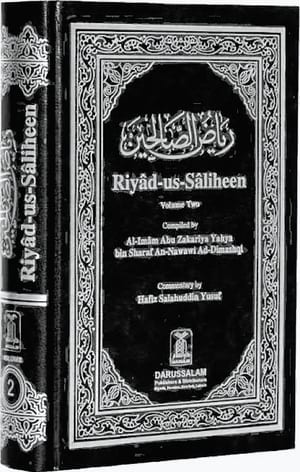
Chanzo: Riyadh as-Salihin (رياض الصالحين)