Inatafuta…

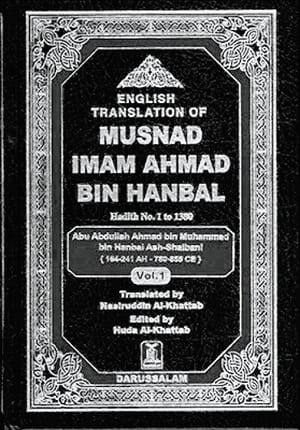
Musnad Ahmad

مسند أحمد

Mkusanyaji:
Imam Ahmad ibn Hanbal
Maisha
780 - 855 CE
164 - 241 H
Zilizomo hapa
137
Jumla rasmi
27,000+

Ensaitlopedia kubwa zaidi ya Sunnah, iliyopangwa kwa majina ya Masahaba waliosimulia.

Musnad Ahmad Na. HE-65058

Usomaji na Kufanyia Kazi Qur'ani

عَنْ أَبِي عَبْدِ الرَّحْمَنِ السُّلَمي رحمه الله قَالَ: حَدَّثَنَا مَنْ كَانَ يُقْرِئُنَا مِنْ أَصْحَابِ النَّبِيِّ صَلَّى اللهُ عَلَيْهِ وَسَلَّمَ أَنَّهُمْ كَانُوا يَقْتَرِئُونَ مِنْ رَسُولِ اللهِ صَلَّى اللهُ عَلَيْهِ وَسَلَّمَ عَشْرَ آيَاتٍ، فَلَا يَأْخُذُونَ فِي الْعَشْرِ الْأُخْرَى حَتَّى يَعْلَمُوا مَا فِي هَذِهِ مِنَ الْعِلْمِ وَالْعَمَلِ، قَالُوا: فَعَلِمْنَا الْعِلْمَ وَالْعَمَلَ.

Imepokelewa kutoka kwa Abuu Abdulrahman Al-Sulamiy- Mwenyezi Mungu amrehemu amesema: Ametusimulia mmoja miongoni mwa waliokuwa wakitusomea Qur'ani katika Maswahaba wa Mtume -Rehema na amani ziwe juu yake- walikuwa wakitusomea Aya kumi kutoka kwa Mtume -Rehema na amani ziwe juu yake-, hivyo hawakuwa wakichukua Aya kumi zingine mpaka wawe wamekwishayafanyia kazi yaliyo ndani ya aya hizo kumi kwa kujifunza na kuyafanyia kazi, wakasema: Basi tukajifunza elimu na kuifanyia kazi.

‘Abdur-Rahmān as-Sulami (may Allah have mercy upon him) reported: Those who used to recite the Qur’an to us from among the Prophet's Companions related to us that they would listen to ten verses from the Prophet (may Allah’s peace and blessings be upon him) and not move to the next ten verses until they learned the knowledge and application contained therein. They said: So, we learned knowledge and application.

Chanzo: HadeethEnc.com

Kitabu 101 · Mlango 1
Musnad Ahmad Na. HE-65247

Usomaji na Kufanyia Kazi Qur'ani

عَنِ ابْنِ أَبِي مُلَيْكَةَ: عَنْ بَعْضِ أَزْوَاجِ النَّبِيِّ صَلَّى اللهُ عَلَيْهِ وَسَلَّمَ -قَالَ: أَبُو عَامِرٍ، قَالَ نَافِعٌ: أُرَاهَا حَفْصَةَ- أَنَّهَا سُئِلَتْ عَنْ قِرَاءَةِ رَسُولِ اللهِ صَلَّى اللهُ عَلَيْهِ وَسَلَّمَ فَقَالَتْ: إِنَّكُمْ لَا تَسْتَطِيعُونَهَا قَالَ: فَقِيلَ لَهَا أَخْبِرِينَا بِهَا. قَالَ: فَقَرَأَتْ قِرَاءَةً تَرَسَّلَتْ فِيهَا قَالَ أَبُو عَامِرٍ: قَالَ نَافِعٌ: فَحَكَى لَنَا ابْنُ أَبِي مُلَيْكَةَ {الحَمْدُ لِلَّهِ رَبِّ الْعَالَمِينَ} [الفاتحة: 2] ثُمَّ قَطَّعَ {الرَّحْمَنِ الرَّحِيمِ} [الفاتحة: 1] ثُمَّ قَطَّعَ {مَالِكِ يَوْمِ الدِّينِ}.

Kutoka kwa Abuu Mulaika: Kutoka kwa baadhi ya wake za Mtume rehema na amani ziwe juu yake, amesema: Abuu Aamir, amesema Naafii: Nafikiri ni Hafswa -Yakuwa aliulizwa kuhusu kisomo cha Mtume rehema na amani ziwe juu yake akasema: Hakika nyinyi hamkiwezi, akasema: Akaambiwa hebu tueleze. Akasema: Akasoma kisomo cha taratibu, akasema Abuu Aamiri: Akasema Naafii: Akatusimulia Abuu Mulaika: "Alhamdulillaah Rabbil-Aalamiin" [Al-Faatiha: 1] Kisha akakata "Al Rahmaanir Rahiim" [Faatiha:3] kisha akakata "Maaliki yaumid diin".

Abu Mulaykah reported: It was narrated from one of the wives of the Prophet (ﷺ)—He said: Abu ‘Āmir said: Nāfi‘ said: I think it was Hafsah— that she was asked about the recitation of the Messenger of Allah (ﷺ). She said: You would not be able to do it. He said: It was said to her: Tell us about it. So she recited with a slow, measured recitation. Abu ‘Āmir said: Nāfi‘ said: Ibn Abi Mulaykah then imitated her recitation, saying: {All praise be to Allah, the Lord of the worlds} [Surat al-Fātihah: 2]—then he paused—{the Most Compassionate, the Most Merciful} [Surat al-Fātihah: 3]—then he paused—{Master of the Day of Judgment}.

Chanzo: HadeethEnc.com

Kitabu 101 · Mlango 1
Musnad Ahmad Na. HE-65300

Usomaji na Kufanyia Kazi Qur'ani

عَنِ ابْنِ عَبَّاسٍ رَضِيَ اللَّهُ عَنْهُما قَالَ: إِنَّ اللهَ عَزَّ وَجَلَّ أَنْزَلَ: {وَمَنْ لَمْ يَحْكُمْ بِمَا أَنْزَلَ اللهُ فَأُولَئِكَ هُمِ الْكَافِرُونَ} [المائدة: 44] وَ {فَأُولَئِكَ هُمُ الظَّالِمُونَ} [المائدة: 45] وَ {فَأُولَئِكَ هُمُ الْفَاسِقُونَ} [المائدة: 47] ، قَالَ: قَالَ ابْنُ عَبَّاسٍ: أَنْزَلَهَا اللهُ فِي الطَّائِفَتَيْنِ مِنَ اليَهُودِ، وَكَانَتْ إِحْدَاهُمَا قَدْ قَهَرَتِ الأُخْرَى فِي الجَاهِلِيَّةِ، حَتَّى ارْتَضَوْا وَاصْطَلَحُوا عَلَى أَنَّ كُلَّ قَتِيلٍ قَتَلَتْهُ العَزِيزَةُ مِنَ الذَّلِيلَةِ فَدِيَتُهُ خَمْسُونَ وَسْقًا، وَكُلَّ قَتِيلٍ قَتَلَتْهُ الذَّلِيلَةُ مِنَ العَزِيزَةِ فَدِيَتُهُ مِائَةُ وَسْقٍ، فَكَانُوا عَلَى ذَلِكَ حَتَّى قَدِمَ النَّبِيُّ صَلَّى اللهُ عَلَيْهِ وَسَلَّمَ المَدِينَةَ، وَذَلَّتِ الطَّائِفَتَانِ كِلْتَاهُمَا لِمَقْدَمِ رَسُولِ اللهِ صَلَّى اللهُ عَلَيْهِ وَسَلَّمَ، ورَسُولُ اللهِ صَلَّى اللهُ عَلَيْهِ وَسَلَّمَ يَوْمَئِذٍ لَمْ يَظْهَرْ، وَلَمْ يُوطِئْهُمَا عَلَيْهِ، وَهُوَ فِي الصُّلْحِ، فَقَتَلَتِ الذَّلِيلَةُ مِنَ العَزِيزَةِ قَتِيلًا، فَأَرْسَلَتِ العَزِيزَةُ إِلَى الذَّلِيلَةِ: أَنِ ابْعَثُوا إِلَيْنَا بِمِائَةِ وَسْقٍ، فَقَالَتِ الذَّلِيلَةُ: وَهَلْ كَانَ هَذَا فِي حَيَّيْنِ قَطُّ دِينُهُمَا وَاحِدٌ، وَنَسَبُهُمَا وَاحِدٌ، وَبَلَدُهُمَا وَاحِدٌ، دِيَةُ بَعْضِهِمْ نِصْفُ دِيَةِ بَعْضٍ؟ إِنَّا إِنَّمَا أَعْطَيْنَاكُمْ هَذَا ضَيْمًا مِنْكُمْ لَنَا، وَفَرَقًا مِنْكُمْ، فَأَمَّا إِذْ قَدِمَ مُحَمَّدٌ فَلَا نُعْطِيكُمْ ذَلِكَ، فَكَادَتِ الحَرْبُ تَهِيجُ بَيْنَهُمَا، ثُمَّ ارْتَضَوْا عَلَى أَنْ يَجْعَلُوا رَسُولَ اللهِ صَلَّى اللهُ عَلَيْهِ وَسَلَّمَ بَيْنَهُمْ، ثُمَّ ذَكَرَتِ العَزِيزَةُ، فَقَالَتْ: وَاللهِ مَا مُحَمَّدٌ بِمُعْطِيكُمْ مِنْهُمْ ضِعْفَ مَا يُعْطِيهِمْ مِنْكُمْ، وَلَقَدْ صَدَقُوا، مَا أَعْطَوْنَا هَذَا إِلَّا ضَيْمًا مِنَّا، وَقَهْرًا لَهُمْ، فَدُسُّوا إِلَى مُحَمَّدٍ مَنْ يَخْبُرُ لَكُمْ رَأْيَهُ: إِنْ أَعْطَاكُمْ مَا تُرِيدُونَ حَكَّمْتُمُوهُ، وَإِنْ لَمْ يُعْطِكُمْ حَذِرْتُمْ فَلَمْ تُحَكِّمُوهُ، فَدَسُّوا إِلَى رَسُولِ اللهِ صَلَّى اللهُ عَلَيْهِ وَسَلَّمَ نَاسًا مِنَ المُنَافِقِينَ لِيَخْبُرُوا لَهُمْ رَأْيَ رَسُولِ اللهِ صَلَّى اللهُ عَلَيْهِ وَسَلَّمَ، فَلَمَّا جَاءَ رَسُولَ اللهِ صَلَّى اللهُ عَلَيْهِ وَسَلَّمَ أَخْبَرَ اللهُ رَسُولَهُ بِأَمْرِهِمْ كُلِّهِ وَمَا أَرَادُوا، فَأَنْزَلَ اللهُ عَزَّ وَجَلَّ {يَا أَيُّهَا الرَّسُولُ لَا يَحْزُنْكَ الَّذِينَ يُسَارِعُونَ فِي الْكُفْرِ مِنَ الذِينَ قَالُوا آمَنَّا} [المائدة: 41] إِلَى قَوْلِهِ: {وَمَنْ لَمْ يَحْكُمْ بِمَا أَنْزَلَ اللهُ فَأُولَئِكَ هُمِ الْفَاسِقُونَ} [المائدة: 47] ثُمَّ قَالَ فِيهِمَا: وَاللهِ نَزَلَتْ، وَإِيَّاهُمَا عَنَى الله عَزَّ وَجَلَّ.

Imepokelewa kutoka kwa Bin Abbas -radhi za Mwenyezi Mungu ziwe juu yao- amesema: Hakika Mwenyezi Mungu aliyetakasika na kutukuka aliteremsha "Na wasiohukumu kwa yale aliyoyateremsha Mwenyezi Mungu basi hao ndio makafiri" [Maaida: 44] na "basi hao ndio madhalimu" [Maida: 45] na "basi hao ndio waovu" [Maida: 47], akasema: Amesema bin Abbasi: Aliziteremsha Mwenyezi Mungu kwa makundi mawili katika Mayahudi, na moja lilikuwa limelitenza nguvu jingine katika zama za ujinga, mpaka wakaridhiana na wakapatana kuwa kila dhalili aliyeuliwa na mtu mtukufu fidia yake ni Waski hamsini, sawa na (kg 6100), na kila maiti aliyeuliwa na mtu dhalili katika watukufu basi fidia yake ni Waski mia moja (100) sawa na (kg12,200), na walikuwa wakiishi katika maisha hayo mpaka alipokuja Mtume rehema na amani ziwe juu yake katika mji wa Madina, na makundi yote mawili yakajishusha kwa kufika Mtume rehema na amani ziwe juu yake, na Mtume rehema na amani ziwe juu yake wakati huo hajajulikana kwa watu, na hakuwa amewalazimisha na kuwatenza nguvu katika hilo, na huo ulikuwa ni wakati wa ule mkataba wa maridhiano (Hudaibia), basi mtu dhalili akamuuwa mtukufu mmoja, basi yule mtukufu akatuma ujumbe kwa ndugu wa yule dhalili kuwa tunataka mtuletee Waski mia moja (kg12,200) yule dhalili akasema: Je ni kweli ndivyo ilivyokuwa katika mitaa yao kwamba dini yao ni moja, na nasaba yao ni moja, na mji wao ni mmoja, kwamba fidia ya baadhi yao ni nusu ya wenzao? Bila shaka hakika sisi tumekupeni kiasi hicho kwa kutudhulumu, na kwakuwa tunawaogopa, ama kwakuwa Muhammadi amekuja hatutokupeni, basi vita ikakaribia kuwaka baina yao, kisha wakaridhiana kuwa wamfanye Mtume rehema na amani ziwe juu yake kuwa muamuzi wao, kisha yule mtukufu akaanza kueleza na akasema: Wallahi Muhammadi hatokupeni toka kwao zaidi ya kile atakachowapa toka kwenu, na hakika wamesema kweli, hawakutupa isipokuwa kwa dhuluma na kwa kutuogopa sisi, na kuwatenza nguvu, basi tumeni kwa Muhammadi mtu atakayekuleteeni maoni yake: Ikiwa atakupeni mnachotaka basi mfanyeni kuwa hakimu wenu, na asipokupeni basi muepukeni na msimfanye kuwa hakimu, basi wakatuma kwenda kwa Mtume rehema na amani ziwe juu yake watu miongoni mwa wanafiki ili wawaletee habari na maoni ya Mtume rehema na amani ziwe juu yake, walipofika kwa Mtume rehema na amani ziwe juu yake, Mwenyezi Mungu alimpa habari Mtume wake ya jambo lao lote na kile walichokitaka, akateremsha Mwenyezi Mungu Mtukufu: "Ewe Mtume! Wasikuhuzunishe wale ambao wanakimbilia kuukanusha unabii wako miongoni mwa wanafiki ambao wameonyesha Uislamu..." [Maida: 41] Mpaka katika kauli yake: "Na yeyote asiyehukumu kwa yale aliyoyateremsha Mwenyezi Mungu basi hao ndio mafasiki (waovu)" [Maida: 47] Kisha akasema kuhusu aya hizo, Wallah zimeteremka, na bila shaka wao ndio Mwenyezi Mungu Mtukufu aliwakusudia.

Ibn ‘Abbās (may Allah be pleased with him and his father) reported: Indeed, Allah Almighty revealed: {Whoever does not judge according to what Allah has revealed, it is they who are the disbelievers} [Surat al-Mā’idah: 44] and {It is they who are the wrongdoers} [Surat al-Mā’idah: 45] and {It is they who are the rebellious} [Surat al-Mā’idah: 47] He said: Ibn ‘Abbās said: Allah revealed these verses regarding two groups from among the Jews. One group had overpowered the other in the pre-Islamic period, and they had agreed that if a person from the powerful tribe killed one from the weaker tribe, the Diyyah (blood money) would be fifty Wasqs, but if a person from the weaker tribe killed one from the stronger tribe, the Diyyah would be one hundred Wasqs. They remained upon this until the Prophet (ﷺ) came to Madīnah. Both tribes humbled themselves due to the arrival of the Messenger of Allah (ﷺ)—while he had not yet gained authority over them and was still in a state of truce with them. Then it happened that a person from the weaker tribe killed someone from the stronger one. The stronger tribe demanded: Pay us one hundred Wasqs. The weaker tribe replied: How can that be? Our religion and lineage are one, and we live in the same land. How can the blood money of some of us be half that of others? We only gave you this before out of fear and submission to your might. But now that Muhammad has come, we will no longer pay this. A war nearly erupted between them, but they agreed to appoint the Messenger of Allah (ﷺ) as their judge. The stronger tribe said: By Allah, Muhammad will not let you be given from them double of what he gives them from you. They have spoken the truth—they only gave us this out of fear and submission to our dominance. So send someone secretly to find out what Muhammad will decide. If he gives you the judgment you want, then appoint him as judge; otherwise, beware and do not let him judge between you. So they sent some hypocrites to the Messenger of Allah (ﷺ) to spy and find out his opinion. When they came to the Messenger of Allah (ﷺ), Allah revealed to His Messenger all that they had planned and intended. Then Allah Almighty revealed: {O Messenger, do not grieve for those who rush to disbelief – those who say with their mouths, “We believe”} [Surat al-Mā’idah: 41] until His saying: {Whoever does not judge according to what Allah has revealed, it is they who are the rebellious.} [Surat al-Mā’idah: 47] Then he said: By Allah, these verses were revealed concerning them, and it was them that Allah Almighty meant.

Chanzo: HadeethEnc.com

Kitabu 101 · Mlango 1
Musnad Ahmad Na. HE-65331

Usomaji na Kufanyia Kazi Qur'ani

عَنْ عَبْدِ اللَّهِ بْنِ مَسْعُودٍ رَضِيَ اللَّهُ عَنْهُ رَفَعَهُ: فِي قَوْلِ اللَّهِ عَزَّ وَجَلَّ: {وَمَنْ يُرِدْ فِيهِ بِإِلْحَادٍ بِظُلْمٍ نُذِقْهُ مِنْ عَذَابٍ أَلِيمٍ} [الحج: 25] قَالَ: «لَوْ أَنَّ رَجُلًا هَمَّ فِيهِ بِإِلْحَادٍ وَهُوَ بِعَدَنِ أَبْيَنَ لَأَذَاقَهُ اللَّهُ عَذَابًا أَلِيمًا».

Imepokelewa kutoka kwa Abdullahi bin Masoud radhi za Mwenyezi Mungu ziwe juu yake (Hadithi Marfu'u): Katika kauli yake Aliyetakasika na kutukuka: "Na yeyote anayetaka, ndani ya Msikiti Mtukufu, kwenda kombo na haki kwa njia ya udhalimu na akamuasi Mwenyezi Mungu humo ndani, basi tutamuonjesha adhabu kali yenye kuumiza" [Al-Hajji:25] Akasema: "Lau kama mtu atadhamiria ubaya akiwa katika mji wa eden (Yemen) mbali huko, basi Mwenyezi Mungu angemuonjesha adhabu chungu".

‘Abdullah ibn Mas‘ūd (may Allah be pleased with him) reported the following as Marfū‘ Hadīth: Regarding the statement of Allah, the Exalted and Majestic: {And whoever intends to deviate therein by evildoing, We will cause him to taste a painful punishment} [Surat al-Hajj: 25], he said: "If a man intended to commit deviation in it while being in Adan of Abyan (a city in Yemen), Allah would make him taste a painful punishment."

Chanzo: HadeethEnc.com

Kitabu 101 · Mlango 1
Musnad Ahmad Na. HE-65054

Usomaji na Kufanyia Kazi Qur'ani

عن عبد الله بن عمرو رضي الله عنهما قال: قال رسول الله صلى الله عليه وسلم: «يقالُ لصاحبِ القرآن: اقرَأ وارتَقِ، ورتِّل كما كُنْتَ ترتِّل في الدُنيا، فإن منزِلَكَ عندَ آخرِ آية تقرؤها».

Imepokelewa kutoka kwa Abdullahi Bin Omar -Radhi za Mwenyezi Mungu ziwe juu yao- amesema: Amesema Mtume wa Mwenyezi Mungu -Rehema na amani ziwe juu yake-: "Ataambiwa msomaji wa Qur'ani: Soma na upande daraja, na soma kwa utulivu kama ulivyokuwa ukisoma Duniani, kwa hakika upandaji wa cheo chako utakomea katika Aya ya mwisho utakayoisoma."

‘Abdullāh ibn ‘Amr (may Allah be pleased with him) reported: The Messenger of Allah (may Allah’s peace and blessings be upon him) said: "It will be said to the one devoted to the Qur’an: Read, ascend, and recite with deliberation as you used to recite in the world. Your rank will be at the last verse you recite."

Chanzo: HadeethEnc.com

Kitabu 101 · Mlango 1
Musnad Ahmad Na. HE-65058

Usomaji na Kufanyia Kazi Qur'ani

عَنْ أَبِي عَبْدِ الرَّحْمَنِ السُّلَمي رحمه الله قَالَ: حَدَّثَنَا مَنْ كَانَ يُقْرِئُنَا مِنْ أَصْحَابِ النَّبِيِّ صَلَّى اللهُ عَلَيْهِ وَسَلَّمَ أَنَّهُمْ كَانُوا يَقْتَرِئُونَ مِنْ رَسُولِ اللهِ صَلَّى اللهُ عَلَيْهِ وَسَلَّمَ عَشْرَ آيَاتٍ، فَلَا يَأْخُذُونَ فِي الْعَشْرِ الْأُخْرَى حَتَّى يَعْلَمُوا مَا فِي هَذِهِ مِنَ الْعِلْمِ وَالْعَمَلِ، قَالُوا: فَعَلِمْنَا الْعِلْمَ وَالْعَمَلَ.

Imepokelewa kutoka kwa Abuu Abdulrahman Al-Sulamiy- Mwenyezi Mungu amrehemu amesema: Ametusimulia mmoja miongoni mwa waliokuwa wakitusomea Qur'ani katika Maswahaba wa Mtume -Rehema na amani ziwe juu yake- walikuwa wakitusomea Aya kumi kutoka kwa Mtume -Rehema na amani ziwe juu yake-, hivyo hawakuwa wakichukua Aya kumi zingine mpaka wawe wamekwishayafanyia kazi yaliyo ndani ya aya hizo kumi kwa kujifunza na kuyafanyia kazi, wakasema: Basi tukajifunza elimu na kuifanyia kazi.

‘Abdur-Rahmān as-Sulami (may Allah have mercy upon him) reported: Those who used to recite the Qur’an to us from among the Prophet's Companions related to us that they would listen to ten verses from the Prophet (may Allah’s peace and blessings be upon him) and not move to the next ten verses until they learned the knowledge and application contained therein. They said: So, we learned knowledge and application.

Chanzo: HadeethEnc.com

Kitabu 101 · Mlango 1
Musnad Ahmad Na. HE-65247

Usomaji na Kufanyia Kazi Qur'ani

عَنِ ابْنِ أَبِي مُلَيْكَةَ: عَنْ بَعْضِ أَزْوَاجِ النَّبِيِّ صَلَّى اللهُ عَلَيْهِ وَسَلَّمَ -قَالَ: أَبُو عَامِرٍ، قَالَ نَافِعٌ: أُرَاهَا حَفْصَةَ- أَنَّهَا سُئِلَتْ عَنْ قِرَاءَةِ رَسُولِ اللهِ صَلَّى اللهُ عَلَيْهِ وَسَلَّمَ فَقَالَتْ: إِنَّكُمْ لَا تَسْتَطِيعُونَهَا قَالَ: فَقِيلَ لَهَا أَخْبِرِينَا بِهَا. قَالَ: فَقَرَأَتْ قِرَاءَةً تَرَسَّلَتْ فِيهَا قَالَ أَبُو عَامِرٍ: قَالَ نَافِعٌ: فَحَكَى لَنَا ابْنُ أَبِي مُلَيْكَةَ {الحَمْدُ لِلَّهِ رَبِّ الْعَالَمِينَ} [الفاتحة: 2] ثُمَّ قَطَّعَ {الرَّحْمَنِ الرَّحِيمِ} [الفاتحة: 1] ثُمَّ قَطَّعَ {مَالِكِ يَوْمِ الدِّينِ}.

Kutoka kwa Abuu Mulaika: Kutoka kwa baadhi ya wake za Mtume rehema na amani ziwe juu yake, amesema: Abuu Aamir, amesema Naafii: Nafikiri ni Hafswa -Yakuwa aliulizwa kuhusu kisomo cha Mtume rehema na amani ziwe juu yake akasema: Hakika nyinyi hamkiwezi, akasema: Akaambiwa hebu tueleze. Akasema: Akasoma kisomo cha taratibu, akasema Abuu Aamiri: Akasema Naafii: Akatusimulia Abuu Mulaika: "Alhamdulillaah Rabbil-Aalamiin" [Al-Faatiha: 1] Kisha akakata "Al Rahmaanir Rahiim" [Faatiha:3] kisha akakata "Maaliki yaumid diin".

Abu Mulaykah reported: It was narrated from one of the wives of the Prophet (ﷺ)—He said: Abu ‘Āmir said: Nāfi‘ said: I think it was Hafsah— that she was asked about the recitation of the Messenger of Allah (ﷺ). She said: You would not be able to do it. He said: It was said to her: Tell us about it. So she recited with a slow, measured recitation. Abu ‘Āmir said: Nāfi‘ said: Ibn Abi Mulaykah then imitated her recitation, saying: {All praise be to Allah, the Lord of the worlds} [Surat al-Fātihah: 2]—then he paused—{the Most Compassionate, the Most Merciful} [Surat al-Fātihah: 3]—then he paused—{Master of the Day of Judgment}.

Chanzo: HadeethEnc.com

Kitabu 101 · Mlango 1
Musnad Ahmad Na. HE-65258

Usomaji na Kufanyia Kazi Qur'ani

عَنْ عَلِيٍّ رَضِيَ اللهُ عَنْهُ قَالَ كَانَ رَسُولُ اللَّهِ صَلَّى اللَّهُ عَلَيْهِ وَسَلَّمَ يُقْرِئُنَا القُرْآنَ عَلَى كُلِّ حَالٍ مَا لَمْ يَكُنْ جُنُبًا.

Kutoka kwa Ally radhi za Allah ziwe juu yake amesema: Alikuwa Mtume rehema na amani ziwe juu yake akitusomesha Qur'ani katika kila hali madamu hana janaba.

‘Ali (may Allah be pleased with him) reported: The Messenger of Allah (ﷺ) used to teach us the Qur’an in every state, except when he was in a state of Janābah (major ritual impurity).

Chanzo: HadeethEnc.com

Kitabu 101 · Mlango 1
Musnad Ahmad Na. HE-65300

Usomaji na Kufanyia Kazi Qur'ani

عَنِ ابْنِ عَبَّاسٍ رَضِيَ اللَّهُ عَنْهُما قَالَ: إِنَّ اللهَ عَزَّ وَجَلَّ أَنْزَلَ: {وَمَنْ لَمْ يَحْكُمْ بِمَا أَنْزَلَ اللهُ فَأُولَئِكَ هُمِ الْكَافِرُونَ} [المائدة: 44] وَ {فَأُولَئِكَ هُمُ الظَّالِمُونَ} [المائدة: 45] وَ {فَأُولَئِكَ هُمُ الْفَاسِقُونَ} [المائدة: 47] ، قَالَ: قَالَ ابْنُ عَبَّاسٍ: أَنْزَلَهَا اللهُ فِي الطَّائِفَتَيْنِ مِنَ اليَهُودِ، وَكَانَتْ إِحْدَاهُمَا قَدْ قَهَرَتِ الأُخْرَى فِي الجَاهِلِيَّةِ، حَتَّى ارْتَضَوْا وَاصْطَلَحُوا عَلَى أَنَّ كُلَّ قَتِيلٍ قَتَلَتْهُ العَزِيزَةُ مِنَ الذَّلِيلَةِ فَدِيَتُهُ خَمْسُونَ وَسْقًا، وَكُلَّ قَتِيلٍ قَتَلَتْهُ الذَّلِيلَةُ مِنَ العَزِيزَةِ فَدِيَتُهُ مِائَةُ وَسْقٍ، فَكَانُوا عَلَى ذَلِكَ حَتَّى قَدِمَ النَّبِيُّ صَلَّى اللهُ عَلَيْهِ وَسَلَّمَ المَدِينَةَ، وَذَلَّتِ الطَّائِفَتَانِ كِلْتَاهُمَا لِمَقْدَمِ رَسُولِ اللهِ صَلَّى اللهُ عَلَيْهِ وَسَلَّمَ، ورَسُولُ اللهِ صَلَّى اللهُ عَلَيْهِ وَسَلَّمَ يَوْمَئِذٍ لَمْ يَظْهَرْ، وَلَمْ يُوطِئْهُمَا عَلَيْهِ، وَهُوَ فِي الصُّلْحِ، فَقَتَلَتِ الذَّلِيلَةُ مِنَ العَزِيزَةِ قَتِيلًا، فَأَرْسَلَتِ العَزِيزَةُ إِلَى الذَّلِيلَةِ: أَنِ ابْعَثُوا إِلَيْنَا بِمِائَةِ وَسْقٍ، فَقَالَتِ الذَّلِيلَةُ: وَهَلْ كَانَ هَذَا فِي حَيَّيْنِ قَطُّ دِينُهُمَا وَاحِدٌ، وَنَسَبُهُمَا وَاحِدٌ، وَبَلَدُهُمَا وَاحِدٌ، دِيَةُ بَعْضِهِمْ نِصْفُ دِيَةِ بَعْضٍ؟ إِنَّا إِنَّمَا أَعْطَيْنَاكُمْ هَذَا ضَيْمًا مِنْكُمْ لَنَا، وَفَرَقًا مِنْكُمْ، فَأَمَّا إِذْ قَدِمَ مُحَمَّدٌ فَلَا نُعْطِيكُمْ ذَلِكَ، فَكَادَتِ الحَرْبُ تَهِيجُ بَيْنَهُمَا، ثُمَّ ارْتَضَوْا عَلَى أَنْ يَجْعَلُوا رَسُولَ اللهِ صَلَّى اللهُ عَلَيْهِ وَسَلَّمَ بَيْنَهُمْ، ثُمَّ ذَكَرَتِ العَزِيزَةُ، فَقَالَتْ: وَاللهِ مَا مُحَمَّدٌ بِمُعْطِيكُمْ مِنْهُمْ ضِعْفَ مَا يُعْطِيهِمْ مِنْكُمْ، وَلَقَدْ صَدَقُوا، مَا أَعْطَوْنَا هَذَا إِلَّا ضَيْمًا مِنَّا، وَقَهْرًا لَهُمْ، فَدُسُّوا إِلَى مُحَمَّدٍ مَنْ يَخْبُرُ لَكُمْ رَأْيَهُ: إِنْ أَعْطَاكُمْ مَا تُرِيدُونَ حَكَّمْتُمُوهُ، وَإِنْ لَمْ يُعْطِكُمْ حَذِرْتُمْ فَلَمْ تُحَكِّمُوهُ، فَدَسُّوا إِلَى رَسُولِ اللهِ صَلَّى اللهُ عَلَيْهِ وَسَلَّمَ نَاسًا مِنَ المُنَافِقِينَ لِيَخْبُرُوا لَهُمْ رَأْيَ رَسُولِ اللهِ صَلَّى اللهُ عَلَيْهِ وَسَلَّمَ، فَلَمَّا جَاءَ رَسُولَ اللهِ صَلَّى اللهُ عَلَيْهِ وَسَلَّمَ أَخْبَرَ اللهُ رَسُولَهُ بِأَمْرِهِمْ كُلِّهِ وَمَا أَرَادُوا، فَأَنْزَلَ اللهُ عَزَّ وَجَلَّ {يَا أَيُّهَا الرَّسُولُ لَا يَحْزُنْكَ الَّذِينَ يُسَارِعُونَ فِي الْكُفْرِ مِنَ الذِينَ قَالُوا آمَنَّا} [المائدة: 41] إِلَى قَوْلِهِ: {وَمَنْ لَمْ يَحْكُمْ بِمَا أَنْزَلَ اللهُ فَأُولَئِكَ هُمِ الْفَاسِقُونَ} [المائدة: 47] ثُمَّ قَالَ فِيهِمَا: وَاللهِ نَزَلَتْ، وَإِيَّاهُمَا عَنَى الله عَزَّ وَجَلَّ.

Imepokelewa kutoka kwa Bin Abbas -radhi za Mwenyezi Mungu ziwe juu yao- amesema: Hakika Mwenyezi Mungu aliyetakasika na kutukuka aliteremsha "Na wasiohukumu kwa yale aliyoyateremsha Mwenyezi Mungu basi hao ndio makafiri" [Maaida: 44] na "basi hao ndio madhalimu" [Maida: 45] na "basi hao ndio waovu" [Maida: 47], akasema: Amesema bin Abbasi: Aliziteremsha Mwenyezi Mungu kwa makundi mawili katika Mayahudi, na moja lilikuwa limelitenza nguvu jingine katika zama za ujinga, mpaka wakaridhiana na wakapatana kuwa kila dhalili aliyeuliwa na mtu mtukufu fidia yake ni Waski hamsini, sawa na (kg 6100), na kila maiti aliyeuliwa na mtu dhalili katika watukufu basi fidia yake ni Waski mia moja (100) sawa na (kg12,200), na walikuwa wakiishi katika maisha hayo mpaka alipokuja Mtume rehema na amani ziwe juu yake katika mji wa Madina, na makundi yote mawili yakajishusha kwa kufika Mtume rehema na amani ziwe juu yake, na Mtume rehema na amani ziwe juu yake wakati huo hajajulikana kwa watu, na hakuwa amewalazimisha na kuwatenza nguvu katika hilo, na huo ulikuwa ni wakati wa ule mkataba wa maridhiano (Hudaibia), basi mtu dhalili akamuuwa mtukufu mmoja, basi yule mtukufu akatuma ujumbe kwa ndugu wa yule dhalili kuwa tunataka mtuletee Waski mia moja (kg12,200) yule dhalili akasema: Je ni kweli ndivyo ilivyokuwa katika mitaa yao kwamba dini yao ni moja, na nasaba yao ni moja, na mji wao ni mmoja, kwamba fidia ya baadhi yao ni nusu ya wenzao? Bila shaka hakika sisi tumekupeni kiasi hicho kwa kutudhulumu, na kwakuwa tunawaogopa, ama kwakuwa Muhammadi amekuja hatutokupeni, basi vita ikakaribia kuwaka baina yao, kisha wakaridhiana kuwa wamfanye Mtume rehema na amani ziwe juu yake kuwa muamuzi wao, kisha yule mtukufu akaanza kueleza na akasema: Wallahi Muhammadi hatokupeni toka kwao zaidi ya kile atakachowapa toka kwenu, na hakika wamesema kweli, hawakutupa isipokuwa kwa dhuluma na kwa kutuogopa sisi, na kuwatenza nguvu, basi tumeni kwa Muhammadi mtu atakayekuleteeni maoni yake: Ikiwa atakupeni mnachotaka basi mfanyeni kuwa hakimu wenu, na asipokupeni basi muepukeni na msimfanye kuwa hakimu, basi wakatuma kwenda kwa Mtume rehema na amani ziwe juu yake watu miongoni mwa wanafiki ili wawaletee habari na maoni ya Mtume rehema na amani ziwe juu yake, walipofika kwa Mtume rehema na amani ziwe juu yake, Mwenyezi Mungu alimpa habari Mtume wake ya jambo lao lote na kile walichokitaka, akateremsha Mwenyezi Mungu Mtukufu: "Ewe Mtume! Wasikuhuzunishe wale ambao wanakimbilia kuukanusha unabii wako miongoni mwa wanafiki ambao wameonyesha Uislamu..." [Maida: 41] Mpaka katika kauli yake: "Na yeyote asiyehukumu kwa yale aliyoyateremsha Mwenyezi Mungu basi hao ndio mafasiki (waovu)" [Maida: 47] Kisha akasema kuhusu aya hizo, Wallah zimeteremka, na bila shaka wao ndio Mwenyezi Mungu Mtukufu aliwakusudia.

Ibn ‘Abbās (may Allah be pleased with him and his father) reported: Indeed, Allah Almighty revealed: {Whoever does not judge according to what Allah has revealed, it is they who are the disbelievers} [Surat al-Mā’idah: 44] and {It is they who are the wrongdoers} [Surat al-Mā’idah: 45] and {It is they who are the rebellious} [Surat al-Mā’idah: 47] He said: Ibn ‘Abbās said: Allah revealed these verses regarding two groups from among the Jews. One group had overpowered the other in the pre-Islamic period, and they had agreed that if a person from the powerful tribe killed one from the weaker tribe, the Diyyah (blood money) would be fifty Wasqs, but if a person from the weaker tribe killed one from the stronger tribe, the Diyyah would be one hundred Wasqs. They remained upon this until the Prophet (ﷺ) came to Madīnah. Both tribes humbled themselves due to the arrival of the Messenger of Allah (ﷺ)—while he had not yet gained authority over them and was still in a state of truce with them. Then it happened that a person from the weaker tribe killed someone from the stronger one. The stronger tribe demanded: Pay us one hundred Wasqs. The weaker tribe replied: How can that be? Our religion and lineage are one, and we live in the same land. How can the blood money of some of us be half that of others? We only gave you this before out of fear and submission to your might. But now that Muhammad has come, we will no longer pay this. A war nearly erupted between them, but they agreed to appoint the Messenger of Allah (ﷺ) as their judge. The stronger tribe said: By Allah, Muhammad will not let you be given from them double of what he gives them from you. They have spoken the truth—they only gave us this out of fear and submission to our dominance. So send someone secretly to find out what Muhammad will decide. If he gives you the judgment you want, then appoint him as judge; otherwise, beware and do not let him judge between you. So they sent some hypocrites to the Messenger of Allah (ﷺ) to spy and find out his opinion. When they came to the Messenger of Allah (ﷺ), Allah revealed to His Messenger all that they had planned and intended. Then Allah Almighty revealed: {O Messenger, do not grieve for those who rush to disbelief – those who say with their mouths, “We believe”} [Surat al-Mā’idah: 41] until His saying: {Whoever does not judge according to what Allah has revealed, it is they who are the rebellious.} [Surat al-Mā’idah: 47] Then he said: By Allah, these verses were revealed concerning them, and it was them that Allah Almighty meant.

Chanzo: HadeethEnc.com

Kitabu 101 · Mlango 1
Musnad Ahmad Na. HE-65331

Usomaji na Kufanyia Kazi Qur'ani

عَنْ عَبْدِ اللَّهِ بْنِ مَسْعُودٍ رَضِيَ اللَّهُ عَنْهُ رَفَعَهُ: فِي قَوْلِ اللَّهِ عَزَّ وَجَلَّ: {وَمَنْ يُرِدْ فِيهِ بِإِلْحَادٍ بِظُلْمٍ نُذِقْهُ مِنْ عَذَابٍ أَلِيمٍ} [الحج: 25] قَالَ: «لَوْ أَنَّ رَجُلًا هَمَّ فِيهِ بِإِلْحَادٍ وَهُوَ بِعَدَنِ أَبْيَنَ لَأَذَاقَهُ اللَّهُ عَذَابًا أَلِيمًا».

Imepokelewa kutoka kwa Abdullahi bin Masoud radhi za Mwenyezi Mungu ziwe juu yake (Hadithi Marfu'u): Katika kauli yake Aliyetakasika na kutukuka: "Na yeyote anayetaka, ndani ya Msikiti Mtukufu, kwenda kombo na haki kwa njia ya udhalimu na akamuasi Mwenyezi Mungu humo ndani, basi tutamuonjesha adhabu kali yenye kuumiza" [Al-Hajji:25] Akasema: "Lau kama mtu atadhamiria ubaya akiwa katika mji wa eden (Yemen) mbali huko, basi Mwenyezi Mungu angemuonjesha adhabu chungu".

‘Abdullah ibn Mas‘ūd (may Allah be pleased with him) reported the following as Marfū‘ Hadīth: Regarding the statement of Allah, the Exalted and Majestic: {And whoever intends to deviate therein by evildoing, We will cause him to taste a painful punishment} [Surat al-Hajj: 25], he said: "If a man intended to commit deviation in it while being in Adan of Abyan (a city in Yemen), Allah would make him taste a painful punishment."

Chanzo: HadeethEnc.com

Kitabu 101 · Mlango 1